As all approach the conclusion of Black History Month, it’s crucial to acknowledge Black individuals’ rich and diverse contributions. From actors and actresses to detectives, inventors, judges, lawyers, officers, pastors, priests, presidents or vice presidents, principals, lieutenants, and writers, their stories transcend the pages of history books. They are brought to life in movies on Bounce TV, discussed on talk shows, and featured on local news stations, ensuring their legacies are celebrated and remembered in every corner of our society.
As all bid farewell to Black History Month, celebrating Black contributions seamlessly transitions into Lent. Commencing on Ash Wednesday, Ginuwine’s Queen News Release will share references to Blacks in the Bible on Holy Thursdays and Good Fridays throughout Lent. This year, Lent begins on Wednesday, March 5, and extends through April 17, 2025, marking a period of joyous recognition and appreciation for Black achievements.

According to Google, Mardi Gras is celebrated on Tuesday, March 4, 2025. This festive day, also known as Fat Tuesday, marks the last chance to indulge before the solemn fasting of Lent begins. The lunar calendar determines the date of Mardi Gras, which also dictates Easter.
Today, people often enjoy delicious pastries, savory meats, fizzy sodas, and other treats before Lent’s introspective fasting period starts on Ash Wednesday. Whether traveling out of town or staying local to celebrate, here are some suggested activities for the festivities.



Holy Week 2025: Schedule and Key Dates for Catholic, Baptist, & Other religions that believe in JESUS CHRIST. Observances.
- Palm Sunday – April 13.
- Holy Thursday – April 17.
- Good Friday – April 18.
- Holy Saturday – April 19.
- Easter Sunday – April 20.
Easter falls on the first Sunday after the full moon on or after the spring equinox. This year, the spring equinox falls on Thursday, March 20. Easter is Sunday, April 20.
One may not fast from something edible. Still, fasting can occur from no more lying, cheating on a spouse, being frugal with God’s money for the church or helping the poor, being late, not showing affection to a spouse, and not spending time with God or family. Some may fast from being lazy, like reading the Bible and other books more. One may improve by working out more to relieve stress and reduce being harsh to others at home or work. Whatever one chooses, keep it quiet, for thus, it is a partnership between one and Jesus Christ.
Blacks in The Bible
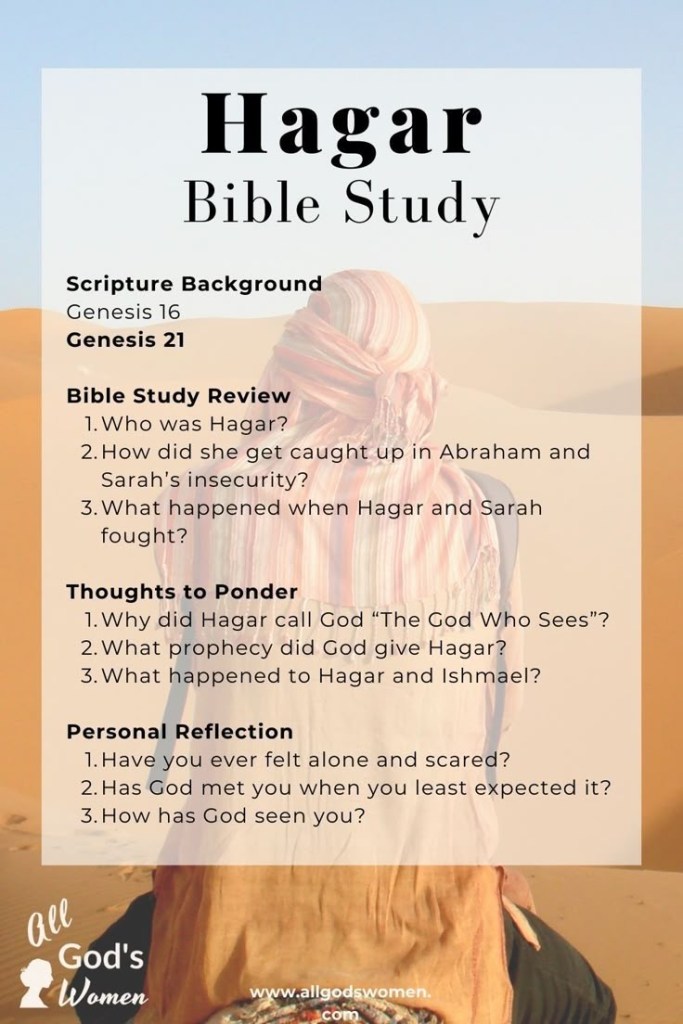
- Hagar, per Google,
- Hagar
- Hagar, An enslaved Egyptian, likely captured in Nubia, served Sarah.

Prophets
According to Google, In the Bible, a prophet is a person who receives a message from God and shares it with others. Prophets are also known as seers because of their ability to see the future.
Roles of Prophets
- Intermediaries: Prophets served as a link between God and the Israelites.
- Teachers: Prophets taught religious beliefs and practices.
- Warners: Prophets warned people of the consequences of disobedience.
- Visionaries: Prophets reported visions of future events to the Israelites.
Background Information of the Relationship between King Zedekiah and the Prophet Jeremiah
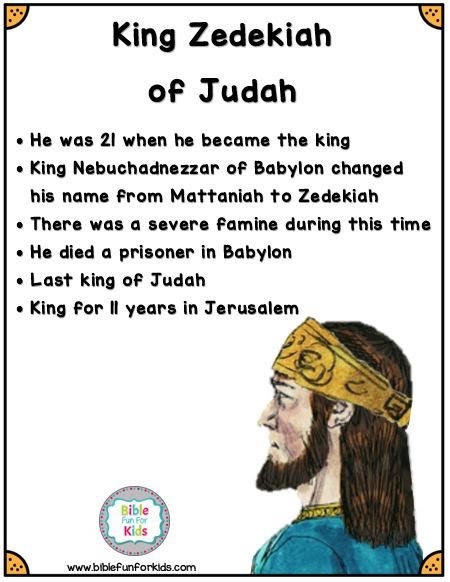
In 597 BC, Zedekiah, at the age of 21, was appointed King of Judah by Nebuchadnezzar II. After seven years, the King of Akkad captured Judah and its King. Jeremiah warned King Zedekiah, but King Zedekiah did not listen and aligned with Pharoah and made war with Babylon.
Nebuchadnezzar went to war with Judah and began a war with Jerusalem.
Prophets in the Bible: The Story of Jeremiah
- Jeremiah, also known as the weeping prophet, was thrown in a cistern to die.
The Seer, Jeremiah
- Jeremiah 38: 4-13
The Safety of Jeremiah
Blacks in the Bible, Ebed-Melech
- Ebed-Melech, a Cushite, played a pivotal role in this dark chapter. He bravely confronted King Zedekiah, advocating for Jeremiah’s rescue from the cistern. His courageous act brought a ray of hope amid despair.

In celebration of Women’s History Month this March, Ginuwine’s Queen News Release will continue to highlight Black individuals in the Bible during the Lenten Season on Thursdays and Fridays. This series aims to provide wisdom and knowledge about women that readers may not be familiar with.
Lenten Thursday, March 6th, 2025, Blacks in the Bible: Keturah was an African woman with whom Abraham had six sons.

God’s Plan for Abraham, Leaving Ur

According to Google, Abraham’s Timeline
Abraham’s timeline includes the birth of Ishmael, the covenant with God, and the fall of Sodom.
Key events in Abraham’s life
- Family: Abraham’s family is described in Genesis 11:27-32.
- Call to Canaan: God calls Abram to travel to Canaan in Genesis 12:1-3.
- Separation from Lot: Abram and Lot separate in Genesis 13.
- Covenant with God: God makes a covenant with Abram in Genesis 15.
- Birth of Ishmael: Ishmael is born to Abraham and his concubine Hagar in Genesis 16.
- Renaming of Abram and Sarai: God renames Abram and Sarai in Genesis 17.
- Birth of Isaac: Isaac is born to Abraham and Sarah in Genesis 21.
- Death: Abraham dies at the age of 175 and is buried in the field he bought from the Hittites.
In the Bible, Sarah, his beloved first wife, dies at the age of 127 in Kiriath-Arba (Hebron) in the land of Canaan, as noted in Genesis 23 per Google.
Sarah dies, and Abraham mourns for her and purchases a piece of land with a cave from Ephron the Hittite to bury Sarah and also for future family members.
- The cave became known as the Cave of the Patriarchs
- Abraham’s purchase of the land demonstrates his commitment to the promise that God made to him
God’s Promise to Abraham was Fulfilled through the Scriptures
Per Google,
Genesis 12
- God promises Abram land and offspring
- God promises to make Abram a great nation
- God promises to bless Abram and his descendants
Genesis 15
- God makes a covenant with Abram
- God promises Abram the land from the Wadi of Egypt to the Euphrates
Genesis 17
- God confirms the covenant with Abram
- God promises Abram many descendants
- God promises to give Abram the land of Canaan
- God changes Abram’s name to Abraham
- God commands Abram and his descendants to be circumcised
The covenant between God and Abraham is known as the Abrahamic covenant. It models God’s heart towards humanity.
God allows Abraham to Marry Keturah after Sarah Dies, fulfilling God’s Promise, “The Father of Many Nations.”
Some scholars believe that Keturah and Hagar are the same person, but the Bible does not say this. According to the Bible, Keturah and Hagar are two different women.
- Genesis 25:1: “Abraham took another wife, Keturah.”
- Genesis 25:2: Keturah bore Abraham six sons: Zimran, Jokshan, Medan, Midian, Ishbak, and Shuah
- 1 Chronicles 1:32–33: Keturah is referred to as Abraham’s concubine, and her sons are named
- 1 Chronicles 1:32 identifies Keturah as a mother and grandmother
According to Google, Who is Keturah?
- Keturah’s name may mean “incense” or “fragrance.”
- Jewish tradition says she was a descendant of Noah’s son Japheth.
- The Rabbis describe Keturah as a woman of virtue.
- Some debate whether Keturah was Abraham’s wife or his concubine.
Lenten Friday, March 7th: Blacks in the Bible
Angels, What Color Are They?
As King David wisely said, “There is but a step between me and death.” This profound statement resonates deeply with my experience, reminding me of life’s fragility and the nearness of mortality.

I stopped in the middle section of the street, and before I stepped out, I looked behind me to see if a car was coming; a black car turned and came dashing in front of me. If I had made one step into the street, I would’ve been on my way to the hospital severely injured or waiting for the crime scene to be photographed, the police waiting on the coroner while my lifeless body is battered & bruised under a blanket waiting for the coroner to determine, “Yes, it was a hit and run. Time, 15 minutes ago, and The driver fled the scene. There were no witnesses.
I’m glad JESUS said no and had my Angels, either Archangel Michael, Gabriel, Uriel, Raphael, or any of them, hold me back. Praise Jesus; it wasn’t my turn to go, especially when I could not say goodbye.

As Pastor John Wesley McVicker, Sr., wisely said, ‘Your best day could be your worst.’ This quote resonates deeply with the unpredictable nature of life. We never know when our time will come. That’s why it’s crucial to be kind to people now, to appreciate every moment, and to live each day as if it could be our last. When Judgment Day arrives, we won’t be able to ask for more time. Let’s ensure our actions and words reflect kindness and compassion, as this is the true measure of our humanity.
Blacks in the Bible: Angels, What is their Color?
According to Google:
The Bible describes angels in many ways, from their appearance to their powers and clothing. While the Bible doesn’t specify a particular color for angels, various sources mention white, blue, and other hues. This rich diversity in their representation adds to the complexity and mystery of these spiritual beings, inviting us to marvel at their enigmatic nature.
Angels Appearance
- Angels can appear as humans but with radiant qualities and supernatural powers
- Angels can appear as flames of fire
- Angels can appear with clothing that is white as snow
- Angels can appear wrapped in a cloud of rainbow
- Seraphim are traditionally depicted with red wings
Angels Powers
- Angels can fly
- Angels have immense strength
- Angels have faces like lightning
- Angels have eyes like flaming torches
- Angels have arms and legs like burnished bronze
- Angels have words that sound like a multitude
Other colors
- Marian blue is a color associated with angels, virgins, and other untouchable things
- Michael is associated with the color blue
- Jophiel is related to the color yellow
- Chamuel is related to the color pink
- Gabriel is associated with the color white
- Raphael is associated with the color green
- Uriel is associated with the color gold
- Zadkiel is associated with the color violet
Please refer to the Catholic Hierarchy of Angels.
- Seraphim Seraphim angels are the closest to God and lead worship in heaven by singing endless praises to him. [32]Please click on the footnote {32} for more details.
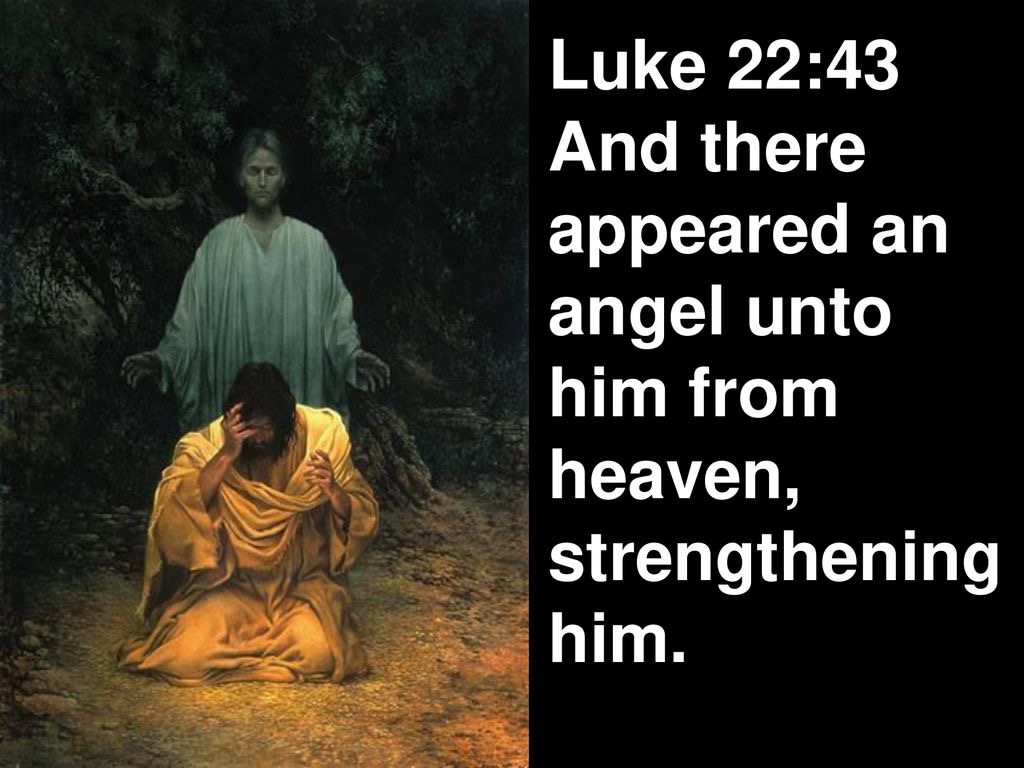
It is important to remember that during this Lenten season, Angels are all around—guiding, protecting, and helping everyone in despair. In the Bible, angels appear to strengthen Jesus in the Garden of Gethsemane, as described in Luke 22:43. As one fast and pray during this Lenten Season, remember that one is never alone.


Lenten Thursday, March 13th, 2025, Blacks in The Bible, Moses wife-Zipporah
Life of Moses
Exodus 2: 15-17: Exodus flees from Pharoah after he kills an Egyptian man.

He lives in Midian. The priest’s daughters are drawing water.
Exodus 2: 15-24, Jethro invited Moses to his house
5 When Pharaoh heard of this, he tried to kill Moses, but Moses fled from Pharaoh and went to live in Midian, where he sat down by a well. 16 Now a priest of Midian had seven daughters, and they came to draw water and fill the troughsto water their father’s flock. 17 Some shepherds came along and drove them away, but Moses got up and came to their rescue and watered their flock.
18 When the girls returned to Reuel their father, he asked them, “Why have you returned so early today?”
19 They answered, “An Egyptian rescued us from the shepherds. He even drew water for us and watered the flock.”
20 “And where is he?” Reuel asked his daughters. “Why did you leave him? Invite him to have something to eat.”
21 Moses agreed to stay with the man, who gave his daughter Zipporah to Moses in marriage. 22 Zipporah gave birth to a son, and Moses named him Gershom,[c] saying, “I have become a foreigner in a foreign land.”
23 During that long period, the king of Egypt died. The Israelites groaned in their slavery and cried out, and their cry for help because of their slavery went up to God.24 God heard their groaning and he remembered his covenant with Abraham, with Isaac and with Jacob. 25 So God looked on the Israelites and was concerned about them.
Exodus 4: 24-26, God intended to end Moses Life
Per https://www.gotquestions.org/kill-Moses.html
“So, as far as we can tell, God was threatening to kill Moses because Moses had not circumcised his son. The question then is, why was that particular sin being judged so harshly? Surely there were other sins that Moses was guilty of, yet God chose to pursue the death penalty over a lack of circumcision. The answer probably goes back to the time of Abraham.
When God called Abram and established a covenant with him, He changed his name to Abraham and gave him a sign of the covenant: circumcision. Moses later wrote this account: “Then God said to Abraham, ‘As for you, you must keep my covenant, you and your descendants after you for the generations to come. This is my covenant with you and your descendants after you, the covenant you are to keep: Every male among you shall be circumcised. You are to undergo circumcision, and it will be the sign of the covenant between me and you’” (Genesis 17:9–11). God was clear that, among Abraham’s descendants, everymale in every household was to be circumcised. No exceptions: “My covenant in your flesh is to be an everlasting covenant. Any uncircumcised male, who has not been circumcised in the flesh, will be cut off from his people; he has broken my covenant” (Genesis 17:13–14).
Moses, as a descendant of Abraham, had been circumcised. But, for some reason, he had not circumcised his own son. It could be that Moses, as a shepherd in Midian for forty years, had given up living like a Hebrew. Or perhaps he assumed he was already “cut off from his people,” so why bother with the sign of the covenant?
The problem was that Moses was going to Egypt to rescue the circumcised people of God from the uncircumcised Egyptians. There was a sharp distinction between the slaves and the oppressors, but Moses, the leader of God’s people, was blurring the distinction in his own family. Further, Moses was to be the lawgiver for Israel, and it would not do for the giver of the law to be a lawbreaker. Part of the law would require circumcision (Leviticus 12:3). For Moses to have an uncircumcised son would be blatantly hypocritical—and hypocrisy is never good in a national leader.
If Moses was to be a spiritual leader, he had to get his personal life in order. If he was to be a Hebrew and not an Egyptian, he was going to have to follow God’s instructions to the Hebrews. If he was to avoid hypocrisy, he must circumcise his son.
Whatever the cause of Moses’ sin of omission, the situation had to be rectified before he could carry out his mission. God was about to kill Moses, but Moses lived because God allowed for repentance and forgiveness. Praise the Lord that “mercy triumphs over judgment” (James 2:13).”
The Love of Zipporah Intervened and Saved Moses from Death
Exodus 4: 22-26
Did Moses take a Second Wife called a Cushite Woman?
Per Google, Moses’s first wife, Zipporah (the daughter of Jethro), initially traveled with him to Egypt but later sent her and their two sons back to Midian before the Exodus, where they later rejoined Moses.
Here’s a more detailed account:
- Initial Journey: When Moses set out for Egypt to lead the Israelites, he took Zipporah and their sons, Gershom and Eliezer, with him.
- Interruption of Journey: Before reaching Egypt, Moses sent Zipporah and the children back to Midian, where her father, Jethro, resided.
- Reunion: After Moses led the Israelites out of Egypt and won a battle against Amalek, Jethro, along with Zipporah and their sons, came to the Hebrew camp in the wilderness of Sinai.
- Some texts suggest Moses may have taken another wife, a “Cushite” or Ethiopian woman.
- Moses later died and didn’t enter the Promised Land.
Moses’ Death
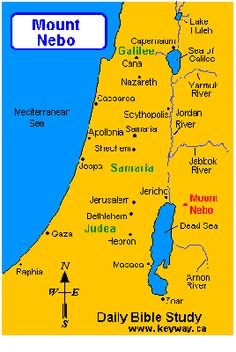
- Moses’s Death: Per Google, The Bible states that Moses died on Mount Nebo, within sight of the Promised Land, at the age of 120.
- Burial:The Bible describes Moses’s burial in the land of Moab, according to the word of the Lord.
Lenten Friday, March 14, 2025: Blacks in the Bible – The Queen of Sheba.
The Life of King Solomon
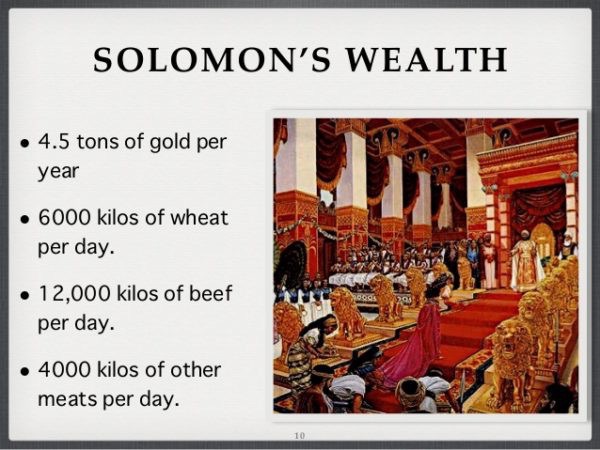
Acts of Love from the Queen of Sheba to King Solomon

Per Google
The Queen of Sheba, a figure of immense wealth and wisdom, is mentioned in the Bible in 1 Kings 10 and 2 Chronicles 9. Her fame stems from her unparalleled riches and daring challenge to King Solomon’s wisdom.
Bible passages about the Queen of Sheba
- 1 Kings 10
- The Queen of Sheba embarks on a journey to Jerusalem, a testament to her adventurous spirit, to test King Solomon with difficult questions. She brings with her gifts of gold, spices, and precious stones. 2 Chronicles 9

Upon witnessing the wisdom of King Solomon, the grandeur of his house, and the excellence of his servants, the Queen of Sheba is filled with a deep sense of respect and admiration. She acknowledges that his wisdom surpasses even the grandest of tales she had heard. Significance
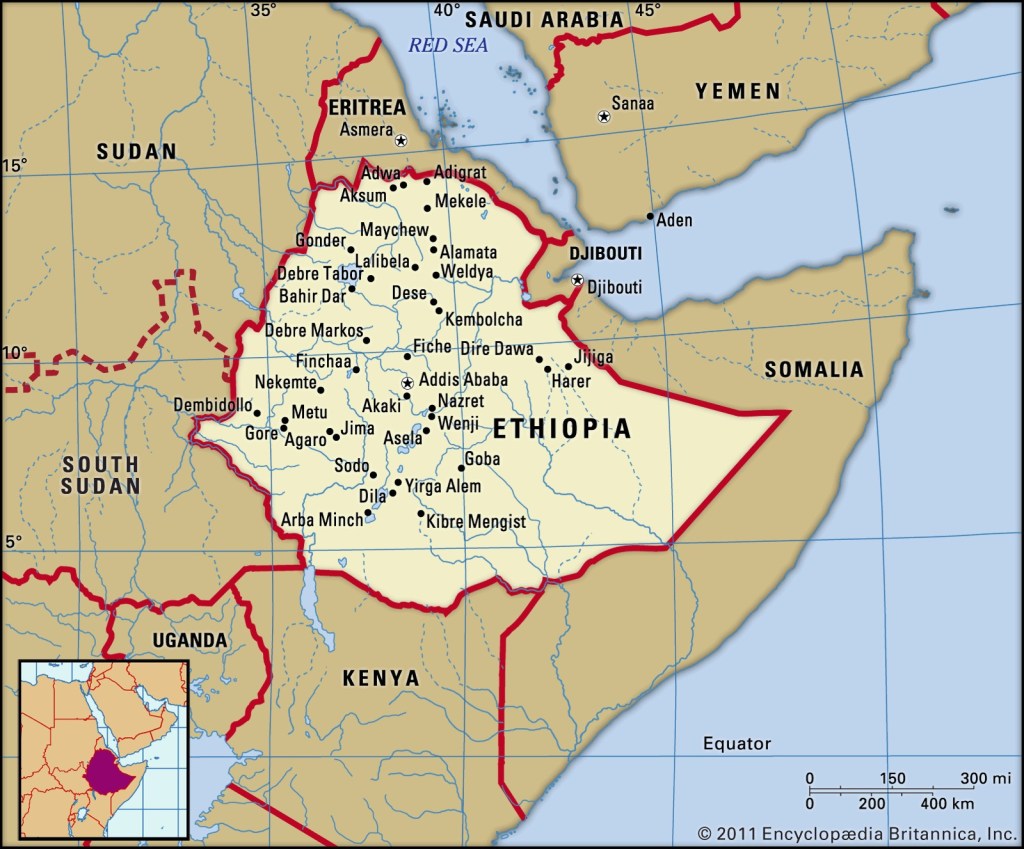
The Queen of Sheba is essential in the holy texts of Christianity, Judaism, and Islam. She is also a significant figure in Ethiopian history, where she is believed to have a lineage that connects to the Ethiopian royal family.

Other details
- The Queen of Sheba is mysterious, and the Bible doesn’t provide much information about her country or origins.
- The Queen of Sheba is portrayed as an able ruler who challenged God’s chosen king.
- The Bible’s story of the Queen of Sheba shows that Solomon’s wisdom was famous even in distant lands.
Lenten Season: Thursday, March 20, 2025, “Blacks in the Bible” featuring Tamar. The great King David was a remarkable warrior but a poor father who never addressed the tragedies in his own household.

The Reign of King David
The Error of King David
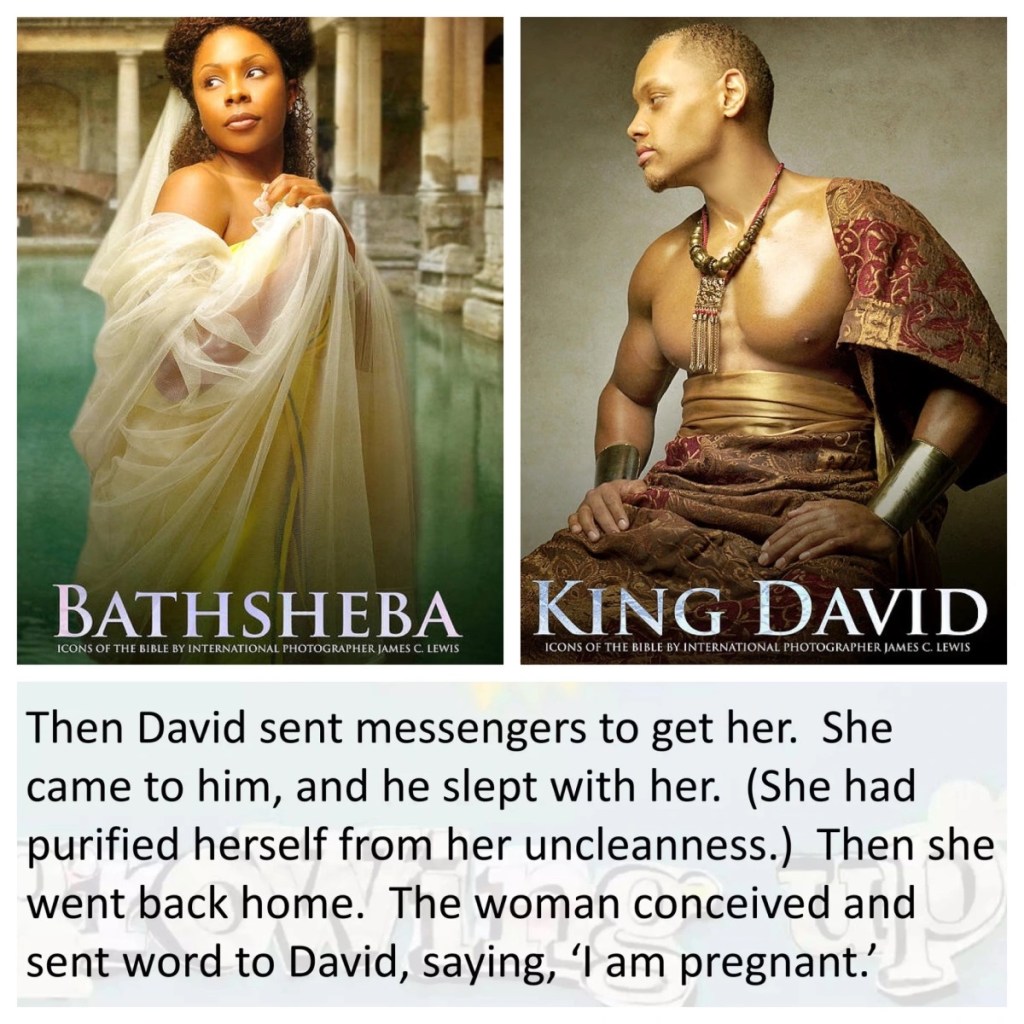
King David’s lust for Beersheba is evident when he sees her bathing and has her brought to his chambers. He discovered she was married to the Hittite Uriah. At that time, David impregnated Beersheba and tried to cover up his adulterous affair by having Uriah, the Hittite, return home from the war. The conflict is that King David does not know that Uriah refuses to sleep with his wife because of the ongoing war. So, King David sent him back to war on the front line, causing his death.
The Punishment of King David
King David’s punishment was that sin would never leave his house. The first baby died with King David and Beersheba, even with King David fasting and praying, but God spared Solomon’s life, the second child.
Sin never leaves David’s house from the conflict he had with his three sons and one daughter, Absalom, Adonijah, Amnon, and Tamar.
King David had 19 sons in the Bible and one daughter. Solomon is a common name known to all, but under Solomon, King David’s other children were 19. For this study, the focus will only be on the three prominent brothers and Tamar.
Problems in the Home

Amnon is in love with his sister, so he asks her to bring him food because he’s sick and needs her to feed him. While she’s feeding him, he rapes her and throws her out of his room. The same love he had for her was the same hate he had for her when he threw her out of the chambers. She pleaded with him, but he brushed aside Tamar’s words to Amnon.
King David never addresses the problem at home, so his older son, Absalom, takes revenge on his brother for raping his virgin sister and sending her away.
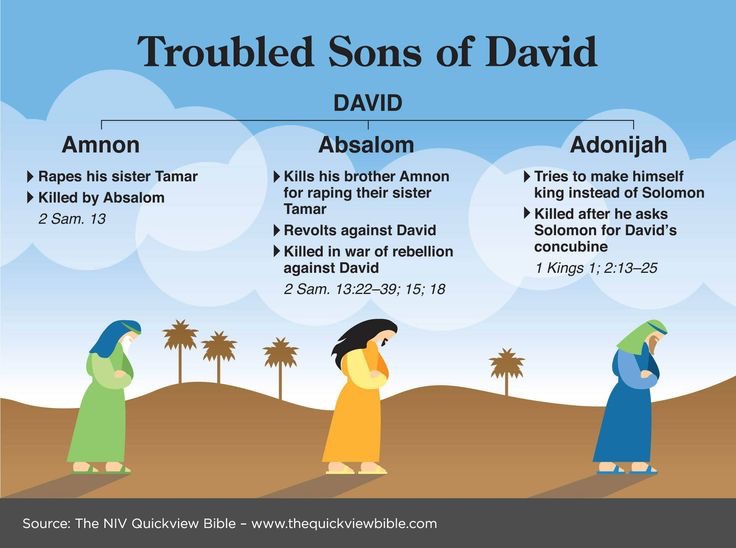
Absalom kills Amnon and tries to get the people to make him King instead of King David.

Absalom Plans to Take David’s Kingdom
15 After this, Absalom got a chariot and horses for himself and fifty men to run before him [C to signal his power and claim of heir to the throne]. 2 Absalom would get up early and stand near the city gate [C the hub of the town for judicial, business, and social interaction]. Anyone who had a ·problem [suit; petition; case] for the king to ·settle [judge] would come here. When someone came, Absalom would call out and say, “What city are you from?”
The person would answer, “·I’m [L Your servant is] from one of the tribes of Israel.”
3 Then Absalom would say, “Look, your claims are ·right [sound/valid and just], but the king has no ·one [representative; deputy] to listen to you.” 4 Absalom would also say, “I wish someone would ·make [appoint] me judge in this land! Then people with ·problems [any suit/complaint/case or cause] could come to me, and I ·could help them get [would give them] justice.”
5 People would come near Absalom to ·bow to [prostrate themselves before] him. When they did, Absalom would reach out his hand and take hold of them and kiss them [C to show he treated them as his equals]. 6 Absalom did that to all the Israelites who came to King David for ·decisions [judgment]. In this way, Absalom stole the hearts of all Israel.
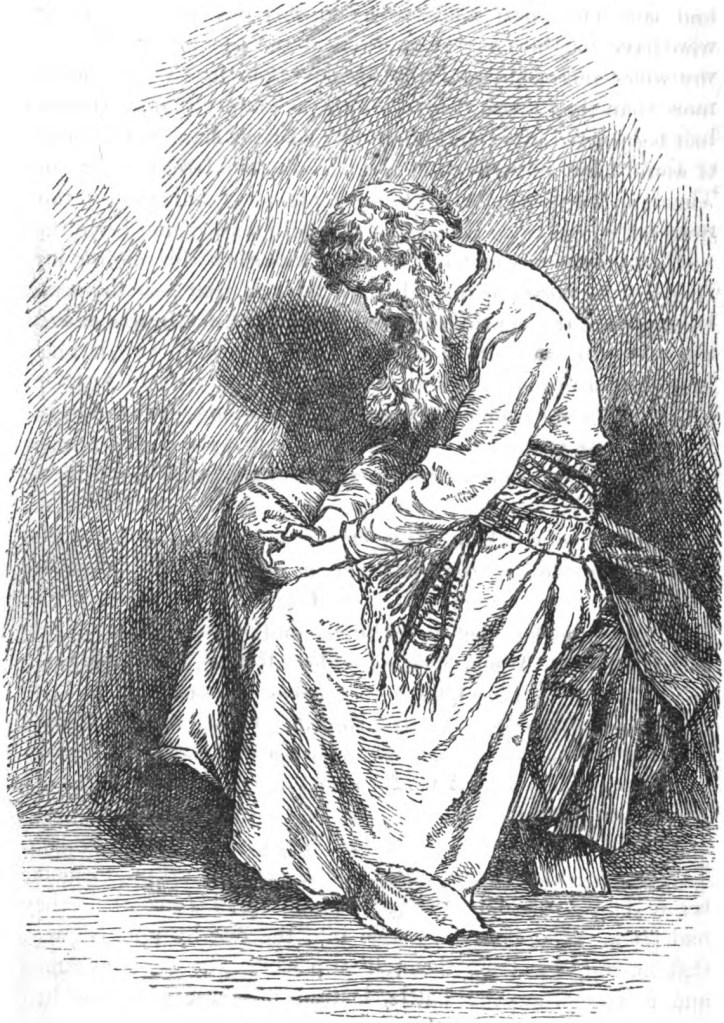
Adonijah tried to make himself King instead of Solomon, and he died after begging to take one of David’s concubines.
Per google:
- David’s Mourning for Absalom:The Bible does describe King David’s deep grief and mourning for his son Absalom, who also rebelled against him.
- No mention of David mourning for Adonijah:While the Bible does not explicitly mention King David mourning for Adonijah, it does say that his death was carried out because of his actions and his attempts to usurp the throne.
King David did not confront Amnon for violating Tamar, as Amnon was one of his favorites. Consequently, Tamar moved in with her older brother Absalom.
Lenten Friday & Women’s Month, March 21st, 2025, Featuring Blacks in the Bible: Asenath

According to Google,
In the Bible, Asenath is not just mentioned as Joseph’s wife, but as a significant figure in her own right. She is the daughter of Potiphera, a priest of On (Heliopolis), and the mother of Manasseh and Ephraim.
Asenath, the daughter of Pharaoh, Genesis 41:45
Asenath, the devoted mother of Manasseh and Ephraim, Joseph’s two sons, is mentioned in Genesis 41:50

Asenath, the lineage of Jacob, the daughter of Potiphera, the priest of On, bore to Joseph Genesis 46:20. Manassehand Ephraim, whom Asenath, daughter of Potiphera, bore to Joseph.
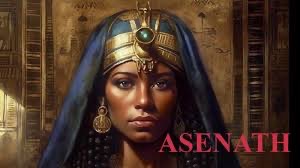
Some studies suggest that Asenath, who was originally a pagan, converted to Christianity and asked an Angel to bless her seven sons. However, there are differing interpretations of these ‘sons’-some believe they were her biological children, while others argue they were slaves she adopted.
Per Google,
- The Story of Asenath:This apocryphal text describes Asenath’s conversion to Judaism, her rejection of paganism, and her marriage to Joseph, which is preceded by an angel’s visit.
- Angelic Visit:In “The Story of Asenath,” an angel visits Asenath on the eighth day of her mourning, confirming her conversion and giving her a new name.
- Key Points:
- Note:The story of Asenath is not part of the canonical Bible, but it is a popular and influential text in Jewish tradition.
On this Lenten Thursday, March 27th, 2025, and during Women’s Month, Blacks in the Bible will feature the biblical narrative featuring Puah and Shiphrah, two remarkable figures in the story of Exodus.

Per Google, In the biblical story of Exodus, Shiphrah, and Puah were Hebrew midwives who disobeyed Pharaoh’s command to kill all male Hebrew babies at birth, instead letting them live, and were rewarded by God.

Here’s a more detailed account:
- Context:
- During the Israelites’ enslavement in Egypt, Pharaoh ordered that all male Hebrew babies be killed, fearing their growing population.
- Midwives’ Disobedience:
Shiphrah and Puah, two Hebrew midwives, bravely defied Pharaoh’s command, choosing to let the male babies live. Their act of disobedience was not just a refusal to carry out an order but a significant moral and ethical stand against the unjust oppression of the Hebrew people. Their courage and faith in the face of such adversity is truly inspiring. When Pharaoh questioned them about why they were letting the boys live, the midwives responded with quick wit, cleverly explaining that Hebrew women were vigorous and gave birth quickly, so the babies were born before they arrived. God recognized their courage and faith in His justice, blessing them and the Hebrew people, who continued to multiply. This divine reward is a powerful testament to the justice and mercy of God, providing reassurance to all who believe in His ways. It’s worth noting that some rabbinic traditions identify Shiphrah and Puah with Jochebed and Miriam, two other prominent Hebrew women. Whether they are seen as the same individuals or closely related, such as mother and daughter or daughter-in-law and mother-in-law, this connection provides a sense of continuity in the biblical narrative
On this Lenten Friday, March 28th, 2025, during the Lenten Season and Women’s Month, we feature a discussion on Blacks in the Bible, focusing on the story of Queen Esther.
Per Google:
While the Book of Esther doesn’t explicitly describe Queen Esther’s race, some interpretations, and traditions, particularly within Jewish and Black communities, view her as a woman of color, drawing parallels between her story and the experiences of marginalized groups.
Here’s a more detailed explanation:
- The Book of Esther:
- The biblical narrative focuses on Esther, a Jewish woman who becomes queen of Persia, and her role in saving her people from a plot to exterminate them.
- No Explicit Racial Description:
- The text doesn’t mention Esther’s race or skin color, leaving room for interpretation and different artistic and cultural representations.
- Interpretations and Traditions:
- For instance, some Jewish traditions, like those found in the Talmud, suggest that Esther had a ‘greenish’ complexion, which some interpret as a dark or brown skin tone. Esther is often seen within Black communities as a figure of immense strength and resilience. Like that of other Black figures who have overcome adversity, her story is a powerful source of inspiration and empowerment. Some artists and writers have depicted Queen Esther as a Black woman, drawing parallels between her story and the experiences of Black people facing oppression.
- Examples of Parallels:
- Esther’s courage in standing up to the king and saving her people from annihilation resonates with the struggles of Black people against racism and oppression.
- The story of Esther, with its emphasis on community, resilience, and faith in the face of adversity, resonates deeply with the Black experience. It is a powerful reminder of the shared struggles and triumphs that bind us all. PuThe story of Esther, with its themes of deliverance and survival, is the basis for the Jeish holiday of Purim, which celebrates the Jews’ deliverance from persecution.
Lenten Thursday, April 3rd, Blacks in The Bible featuring the life of Queen Jezebel.

King Ahab Refused to Follow God’s Law


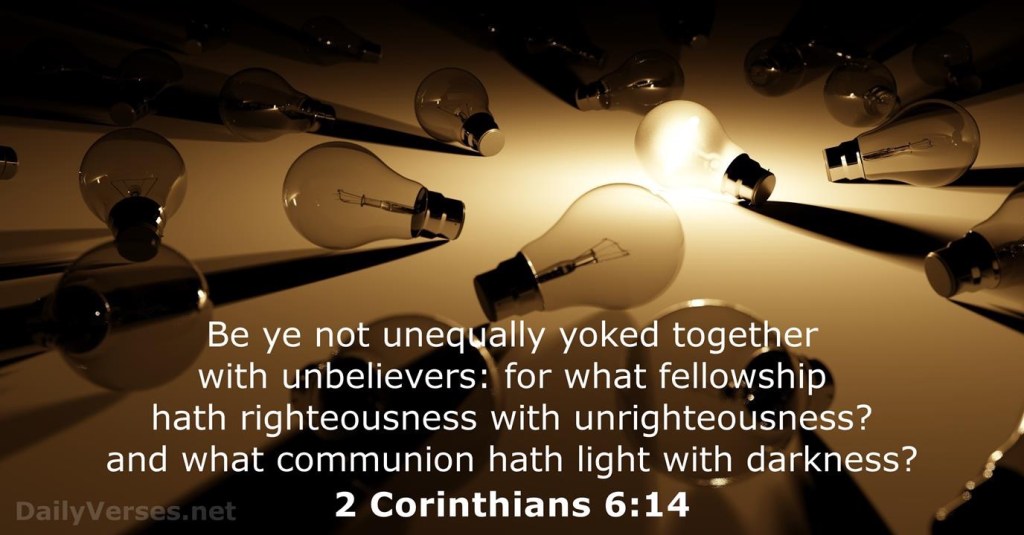
King Ahab Married Princess Jezebel
Per Google, Jezebel, the daughter of the priest-king Ethbaal, ruler of the Phoenician cities of Tyre and Sidon, married King Ahab of Israel (ruled c. 874–853 BCE). She persuaded him to introduce the worship of the Tyrian god Baal-Melkart, a nature god, leading to the tragic fate of most of the prophets of Yahweh who were killed at her command.
King Ahab’s Repugnant Lifestyle with Queen Jezebel
Per Al Overview:
- Background:
- Jezebel was the daughter of Ethbaal, the king of Sidon (Phoenicia).
- Marriage to Ahab:
- She married Ahab, son of Omri, who was already king of Israel and brought with her a pagan cult of Baal worship.
- Influence and Actions:
- Jezebel exerted significant influence over Ahab, leading him to promote Baal worship and persecute those who followed the God of Israel (Yahweh).
- Persecution of Prophets:
- She is known for ordering the death of many prophets of Yahweh, including the near-death of Elijah.
- Naboth’s Vineyard:
- Jezebel orchestrated the death of Naboth, a land owner, so that Ahab could seize his vineyard, a deed that angered the prophet Elijah.
- Elijah’s Prophecy:
- Elijah prophesied that Jezebel and her family would meet a gruesome end, which came to pass when she was thrown from a window and trampled by horses.
- Gruesome Death:
- After Ahab’s death, Jezebel continued to reign, but the same cruelty and oppression marked her reign. Ultimately, she was overthrown by Jehu, who had her thrown from a window, trampled by horses, and eaten by dogs, as Elijah had prophesied.
- Symbolism:
- Jezebel is often used as a symbol of wicked and manipulative women, and her story serves as a cautionary tale about the dangers of idolatry and the consequences of turning away from God.
- Revelation:
- In the book of Revelation, a woman in Thyatira is called “Jezebel” for teaching and seducing believers to commit fornication and eat food sacrificed to idols.
According to https://www.gotquestions.org/Ahab-and-Jezebel.html, this is a perfect analysis of the story of Queen Jezebel.
King Ahab and Queen Jezebel served as leaders of the northern kingdom of Israel during a time of much evil in the land. King Ahab was an Israelite king who married a Sidonian woman named Jezebel and became involved in worshiping Baal, the god of her people. Ahab built a house for Baal in the capital city of Samaria and made an Asherah pole as a tool of pagan worship. We are told, “Ahab did more to provoke the LORD, the God of Israel, to anger than all the kings of Israel who were before him” (1 Kings 16:33).
Jezebel was likewise known for her evil actions. She was the daughter of Ethbaal, king of the Sidonians. After her marriage to Ahab, her first recorded action was cutting off the prophets of the Lord (1 Kings 18:4). Obadiah, a God-fearing officer in Ahab’s court, noted that Jezebel killed many prophets, despite Obadiah’s efforts to save them: “Has it not been told my lord what I did when Jezebel killed the prophets of the LORD, how I hid a hundred men of the LORD’s prophets by fifties in a cave and fed them with bread and water?” (1 Kings 18:13–14).
It was during the time of Ahab and Jezebel that Elijah was the prophet in Israel. Satan had his couple on the throne, but God had His man in the field, performing miracles and leading a revival against Baal worship. The three-and-a-half-year drought that Elijah prayed for was part of God’s judgment on the nation’s wickedness and its leaders.
When Elijah confronted Ahab near the end of the drought, the king said to him, “Is that you, you troubler of Israel?” (1 Kings 18:17). But Ahab had it wrong. Elijah was not the one bringing trouble to the land. The prophet corrected the king: “I have not made trouble for Israel . . . but you and your father’s family have. You have abandoned the Lord’s commands and have followed the Baals” (verse 18).
After Elijah defeated the prophets of Baal and had them killed at Mt. Carmel (1 Kings 18), Jezebel issued a death threat against him (1 Kings 19:2). The queen went on to plot against Naboth, the innocent owner of a vineyard that Ahab coveted. Jezebel had Naboth killed so the king could confiscate his land (1 Kings 21), and she prodded her husband into many other wicked acts besides: “There was none who sold himself to do what was evil in the sight of the LORD like Ahab, whom Jezebel his wife incited” (1 Kings 21:25).
Ahab’s death was predicted by the prophets Elijah and Micaiah (1 Kings 21:19; 22:28). Jezebel’s gruesome death was also indicated by Elijah (1 Kings 21:23). True to the prophecy, Ahab was killed in a battle with Syria. Later, Jezebel was thrown from a tower, “and some of her blood spattered on the wall and the horses, and they trampled on her” (2 Kings 9:33). Then, “when they went to bury her, they found no more of her than the skull and the feet and the palms of her hands” (2 Kings 9:35). Just as Elijah had said, the dogs ate Jezebel.
In Revelation 2:20, Jezebel’s reputation lives on as Jesus speaks against the church at Thyatira: “But I have this against you, that you tolerate that woman Jezebel, who calls herself a prophetess and is teaching and seducing my servants to practice sexual immorality and to eat food sacrificed to idols.” The woman’s name in Thyatira was probably not literally “Jezebel,” but her immorality and idolatry in preying upon God’s people was very Jezebel-like.
Ahab and Jezebel were leaders of God’s people who forsook the Lord and served other gods. The royal couple earned a reputation for sin and violence, and they both suffered violent deaths as part of God’s judgment of their actions.
Lenten Friday, April 4th, 2025, Blacks in the Bible Featuring Mary Magdalene
There are many versions of Mary Magdalene. From Scripture, Mary was a prostitute, and one of her customers told her that she had a friend in JESUS.
Here is the story of Mary Magdalene, repenting and seeking forgiveness from Jesus of Nazareth.
Per Google, Mary Magdalene was a disciple of Jesus. According to the Gospel accounts, Jesus cleansed her of seven demons, and she financially aided im in Galilee. She was one of the witnesses of Jesus’s Crucifixion and burial and, famously, was the first person to see him after the Resurrection.
- A Devoted Follower:
- Mary Magdalene is described as one of the women who followed Jesus and provided financial support for his ministry.
- Witness to the Crucifixion and Burial:
- Her presence at Jesus’ crucifixion and burial is a testament to her unwavering faith and loyalty, inspiring us with her steadfast commitment.First to See the Risen Jesus:
- The Gospel accounts depict her as the first person to see Jesus after his resurrection, and he instructed her to tell the apostles about it.
- Healed of Seven Demons:
- Luke and Mark describe Jesus casting out seven demons from Mary Magdalene, a pivotal moment in her life and her subsequent devotion to Jesus.
- Possible Wealthy Background:
- Luke mentions her among the wealthy women who supported Jesus and his disciples, suggesting she may have come from a relatively affluent background.
Historical and Theological Significance:
- Early Church Figure:
- Mary Magdalene’s role as a witness to the resurrection and her message to the apostles make her an essential figure in the early Christian church, her influence carrying significant weight.Debate and Misinterpretations:
- Over time, there have been various interpretations and sometimes misinterpretations of Mary Magdalene’s role, including the idea that she was a prostitute or the wife of Jesus, which is not supported by the canonical Gospels.
- Gnostic Texts:
- Some Gnostic texts, which are not part of the standard Christian Bible, portray Mary Magdalene as a more prominent figure, even suggesting she was a leader and held “secret wisdom.”
- Ongoing Study and Interpretation:
Mary Magdalene’s story continues to be a subject of study and interpretation, with scholars and theologians exploring her role in the context of the Gospels and the early church, highlighting the enduring relevance of her story today. Per Al Overview, here are more Scriptures for your review.
- Matthew:
- Matthew 27:56 mentions her as one of the women who followed Jesus from Galilee and witnessed his crucifixion.
- Matthew 27:61 and 28:1 describe her presence at the tomb and her role in the events surrounding Jesus’ resurrection.
- Mark:
- Mark 15:40 and 47 depict her as one of the women who watched the crucifixion from a distance and who prepared spices to anoint Jesus’ body.
- Mark 16:1-9 describes her as the first to see the empty tomb and to witness Jesus’ resurrection.
- Luke:
- Luke 8:2 mentions her as one of the women who traveled with Jesus and supported his ministry with her resources.
- Luke 8:2 also states that Jesus had cast out seven demons from her.
- Luke 24:10 describes her as one of the women who went to the tomb and saw Jesus’ empty tomb.
- John:
- John 19:25 mentions her as one of the women standing near the cross.
- John 20:1-18 describes her as the first to see the empty tomb and to witness Jesus’ resurrection.
- John 20:11-18 describes her encounter with Jesus after his resurrection, where she is told to tell the disciples that she has seen the Lord.
Lenten Thursday, April 10th, will feature “Blacks in the Bible,” starring Miriam, during the Lenten Season.

According to Google,
“Miriam, the sister of Moses and Aaron, is not just a historical figure. She is a prophetess, a spiritual leader whose role was pivotal in the Israelites’ journey out of Egypt. Her divine insights and wisdom guided the people, making her a significant figure in biblical history.” God used all three to fulfill his will: Moses, who led the people out of Egypt; Aaron, the high priest; and Miriam, the prophetess.
Wikipedia describes Miriam as thus:

According to the Hebrew Bible, Miriam was Amram, Jochebed’s daughter, and Moses and Aaron’s older sister. She was a prophetess and first appears in the Book of Exodus. While Moses led all the Israelites, Miriam’s primary focus was being a leader to the women. This role set her apart and showcased her unique influence, making her a significant figure in biblical history.
Per Al’s Overview, Miriam was a leader and Moses’ helper.
Miriam’s Leadership as an Overseer

She was not named, but she allegedly watched over Moses as he was placed and drifed in the Nile River by his mother.
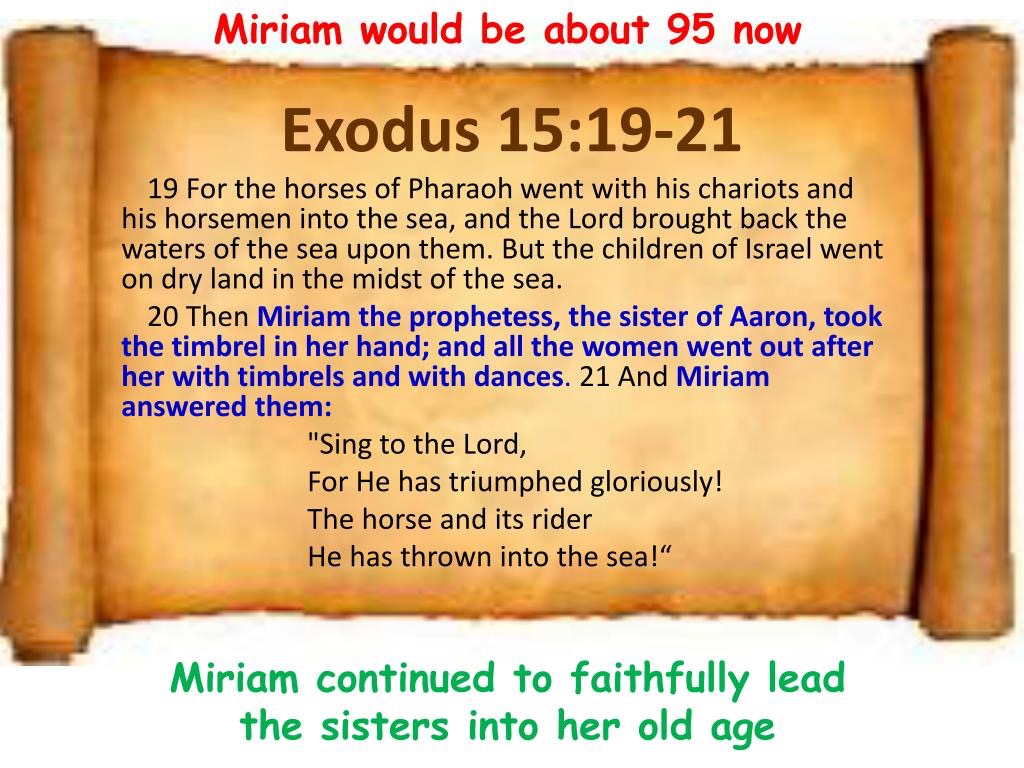
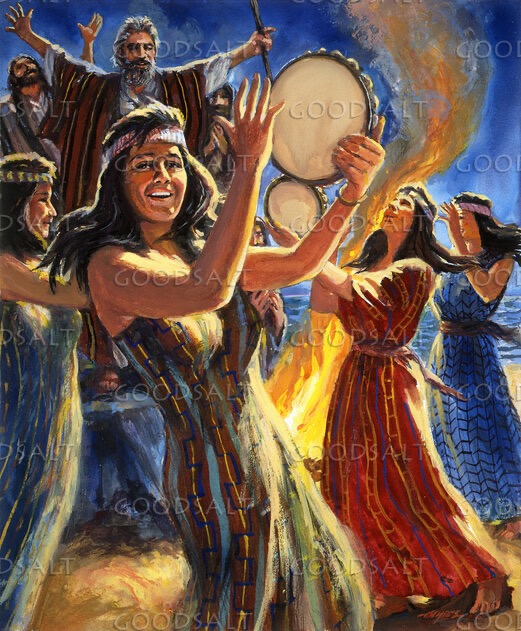
After the Exodus, Miriam, a follower and a leader, led the crowd in a joyous celebration, singing and dancing to mark their transition into a new land. While Moses was a leader for the people, Miriam’s role as a leader for the women was undoubtedly significant, marking a unique instance of gender equality in biblical times.
Miriam’s Loose Tongue Against Moses


Like any human, Miriam had flaws. Her questioning of Moses’ decision to marry a Cushite woman led to God’s wrath, manifesting as a plague of Leprosy. This incident is a stark reminder of the potential consequences of one’s actions, even when directed at those in positions of authority, underlining the gravity of Miriam’s mistake.

When Moses married the Cushite woman, Miriam and Aaron were displeased. Their displeasure stemmed from the fact that the woman was not an Israelite, and they were concerned about the implications of this marriage on the unity of the Israelites. Miriam challenged Moses and stirred God’s wrath by being plagued with Leprosy. God called Moses and not Miriam. If Miriam had remained silent about Moses’ decision, God would not have stricken her with Leprosy.

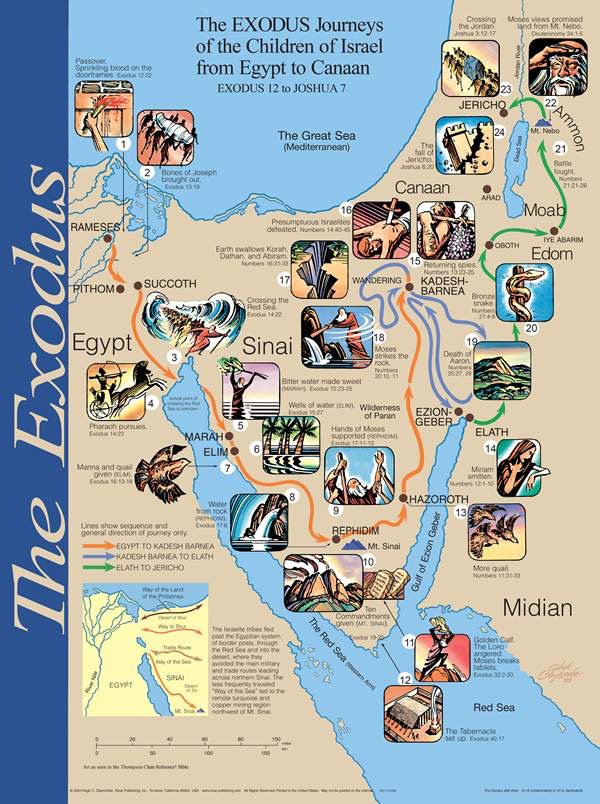
Miriams’s Legal Incarceration from God & her Sentencing & Moses Plea for her Life

Miriam’s Conduct Caused all the Israelites to Wait for her Cleansing
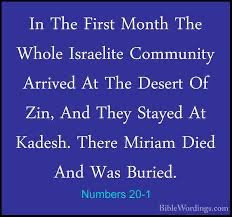
Miriam’s Loses her life at Kadesh
Lenten Friday, April 11th, 2025, features a special edition of ‘Blacks in The Bible’ starring Bathsheba, the wife of Uriah the Hittite until King David committed a malicious crime.

According to Google, while not explicitly stated, the fact that King Solomon is identified as being from the line of Judah and that he had a Canaanite mother named Bathsheba suggests a possible African ancestry for Bathsheba. This potential African lineage adds a layer of diversity and complexity to the biblical narrative, highlighting the ancient world’s interconnectedness of different cultures and peoples.
Who is Bathsheba?
In the Hebrew Bible (2 Samuel 11, 12; 1 Kings 1, 2), Bathsheba was the wife of Uriah the Hittite. She later became one of King David’s wives and King Solomon’s mother. Bathsheba was Eliam’s daughter and was probably of noble birth.

If only King David had remembered the Scriptures and not been captivated by Bathesheba’s Beauty.
Beautiful Bathsheba, Innocent While Bathing, a woman whose innocence was overshadowed by the actions of others.
According to Al’s Overview, a reputable source on biblical studies, in the Bible, Bathsheba (meaning “daughter of abundance”) is known for her story in 2 Samuel. In this story, she becomes the wife of King David after he sees her bathing and desires her, leading to adultery and fornication, Uriah’s death, and the birth of Solomon.

Here’s a more detailed examination of Bathsheba’s story based on Al’s overview and relevant scripture.
- Initial Identity:
- Bathsheba was the daughter of Eliam and the wife of Uriah the Hittite, one of King David’s soldiers.
- King David‘s Sin:
- While King David was on the roof of his palace, he saw Bathsheba bathing and was captivated by her beauty. He summoned her to the palace and slept with her, committing adultery.
- Uriah’s Death:
- When Bathsheba became pregnant, David attempted to cover his sin by having Uriah return from Battle, hoping he would sleep with her to make the child his. However, Uriah remained faithful to his duty and refused to go home, so David arranged for Uriah’s Death—pre-meditation murder by placing Uriah on the front lines of Battle, where he was slain in Battle.
- Marriage to David:
- After Uriah’s death, David married Bathsheba.
- Birth of Solomon:
- Bathsheba later gave birth to Solomon, who would become the next king of Israel.
- Bathsheba’s Influence:
Bathsheba, a key player in Solomon’s succession, even conspired with the prophet Nathan to prevent Adonijah from becoming king, showcasing her significant influence. Her actions in this succession process demonstrate her intelligence and political acumen. Bathsheba’s story, a pivotal part of 2 Samuel’s narrative, profoundly explores sin, repentance, and God’s judgment and grace, enlightening us about these biblical concepts. The name Bathsheba, which means “daughter of abundance,” connects us to her identity and the richness of her story.
Bathsheba, a woman who experienced the tragedy of losing her first son, is a poignant reminder of the consequences of King David’s actions. Her loss is a heart-wrenching example of the human cost of sin, evoking a deep sense of empathy in the audience.

Al’s overview explains more:
King David’s wife, Bathsheba, had four sons: Shammua (or Shimea), Shobab, Nathan, and Solomon.
- The four sons Shammua (or Shimea), Shobab, Nathan, and Solomon.
- 1 Chronicles 3: This Bible passage lists these four as David’s sons born in Jerusalem to Bathsheba.
- First son’s death: Bathsheba’s first son, born to David after his sin with her, died shortly after birth.

- Solomon’s importance: Solomon, one of Bathsheba’s sons, became a famous king of Israel.
- Other sons of David: David had other sons by other wives, but these were the four sons born to him by Bathsheba.
According to Google, In the end, she did not lose her physical life as Uriah did, but she did lose her rights to her body, her husband, and eventually her child (2 Samuel 12:15-18). Through this incredible suffering, what is most admirable about Bathsheba is her unwavering faithfulness to God, which invokes admiration in the audience.
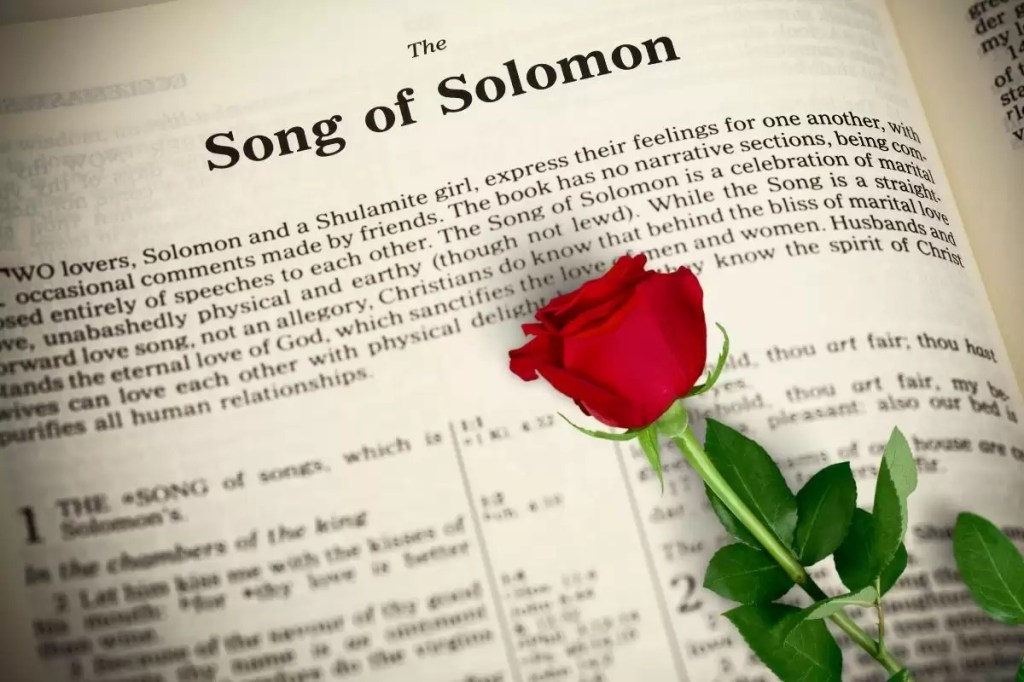
On Jueves Santo, Holy Thursday, April 17th, 2025, a significant date in the Christian calendar, during the Lenten Season, a reflection and preparation for Easter. Today, viewers will delve into the Song of Solomon, a significant text in the Bible. This text holds particular importance in the context of the Blacks in the Bible Edition Featuring Solomon’s Bride, offering a unique perspective on its themes and interpretations.

When a student reads the Song of Solomon, it’s usually used to find quotes on love, such as a husband to his wife or a wife to her husband. Quotes from the Song of Solomon are used in weddings or as romantic gestures to one’s partner.

I. Purpose of Song of Songs

Per Al’s Overview,
The Book of Song of Solomon, also known as Song of Songs or the Canticle of Canticles, is a collection of love poems in the Old Testament. These are not just poems but a profound expression of the passionate desires and beauty of a couple deeply in love. While traditionally associated with King Solomon, the book’s themes of love, passion, and intimacy remain uncertain in authorship, sparking curiosity and engagement among readers.
Key Aspects of the Book:
- Genre:
- The Song of Solomon is a poetic work of the Hebrew Bible’s Ketuvim (Writings).
- Content:
- The poems in the Song of Solomon delve into the captivating themes of romantic love, physical beauty, and the profound intimacy shared between a man and a woman, inviting readers to explore the depth of these emotions.Interpretation:
- The book’s imagery has been interpreted in many ways, including celebrating human love, God’s love for Israel, or Christ’s love for the Church. This open-endedness in interpretations invites readers to be open-minded and contemplative about the book’s meaning, stimulating intellectual curiosity and engagement. The eight chapters flow together as a continuous stream of poetry, according to BibleProject, allowing for a rich and diverse range of interpretations. Meaning:
- The book often celebrates God’s gift of love and sexual desire, highlighting the beauty of intimacy and the potential for spiritual fulfillment within relationships. This celebration of love and passion can uplift and inspire readers, reminding them of these emotions’ profound beauty and significance. Different Interpretations:
The Song of Solomon allows for a multitude of interpretations. It can be seen as a celebration of human love, a reflection of God’s love for Israel, or an allegory of Christ’s love for the Church. This diversity of interpretations invites readers to be open-minded and contemplative about the book’s meaning.
II. Person in Song of Songs
Per Al’s Overview, in the Song of Solomon, the bride, often called the Shulamite, is a central figure. She is portrayed as a beautiful and cherished woman, admired by King Solomon for her beauty and character. Some interpret the Song of Solomon as a love story between King Solomon and the Shulamite, while others view it allegorically as a representation of Christ’s love for the Church.

Per Al’s Overview
AI Overview

Key aspects of the bride:
- Identity:
- She is identified as the Shulamite, though the text does not definitively state her identity.
- Beauty and Admiration:
- Solomon praises her beauty and character, emphasizing her captivating appearance and strong personality.
- Love and Intimacy:
- The Shulamite reciprocates Solomon’s love and is portrayed as his equal in the relationship.
- Symbolic Interpretations:
- Some interpret the Shulamite as a symbol of the Church in Christian theology, representing Christ’s love and devotion.
- Voice and Agency:
- The Shulamite is given a voice and agency within the story, expressing her desires and opinions.
III. More Interpretation: The Shulamite is God’s People, and Solomon is God
Per Al’s Overview
AI Overview
The “bride of Solomon” in the biblical Song of Solomon is often interpreted as a figure representing the Church, with Solomon symbolizing Christ’s love and passion for his people. This interpretation sees the song as an allegory of the relationship between God and his people, marked by love, longing, and intimacy.
Here’s a more detailed look:
- Symbolic Representation:
- The “bride of Solomon” is not a literal historical figure but a symbolic representation of the Church.
- Allegorical Interpretation:
- The Song of Solomon is interpreted as an allegory in which the love between a man and a woman mirrors the relationship between God and his people.
- Christ and the Church:
- In this interpretation, Solomon represents Christ, and the bride represents the Church, reflecting Christ’s love and longing for his people.
- Love and Intimacy:
- The song depicts the intense love and longing between the bride and groom, symbolizing God’s passionate love for his people and their desire for him.
- Spiritual Significance:
- The song’s imagery of the garden, flowers, and fragrances can be interpreted as symbolic of God’s presence, beauty, and blessings.

On this significant day, the Last Entry of Blacks in the Bible during this Lenten Season, Holy Week, honoring Good Friday, April 18th, 2025. This Last Entry of Blacks in the Bible refers to the final significant event before the crucifixion of Jesus, and it holds great importance in the Christian faith. To truly comprehend the death of JESUS, one must first understand his Birth. To fully appreciate his Birth, one must turn to his Mother. This edition explores the role of Mother Mary, the Mother of Jesus Christ.
Mother Mary’s Purpose

Mother Mary’s Complexion
Refer to the link
https://www.epm.org/resources/2019/Apr/26/there-any-evidence-mary-mother-jesus-being-black-m/
Mother Mary’s Jewish Heritage is a crucial aspect of her identity and plays a significant role in understanding her life and connection to Jesus.
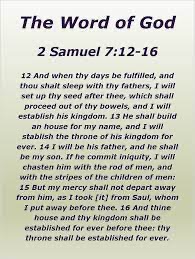
According to Google, Mary’s Jewish heritage also includes her descent from King David, a connection critical to the fulfillment of messianic prophecy. God’s promise to David in 2 Samuel 7:12–16 declared that the Messiah would come from David’s royal lineage: “I will establish the throne of his kingdom forever.”
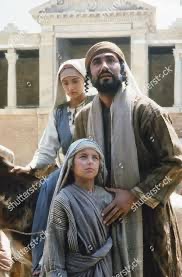
The Life of Mother Mary

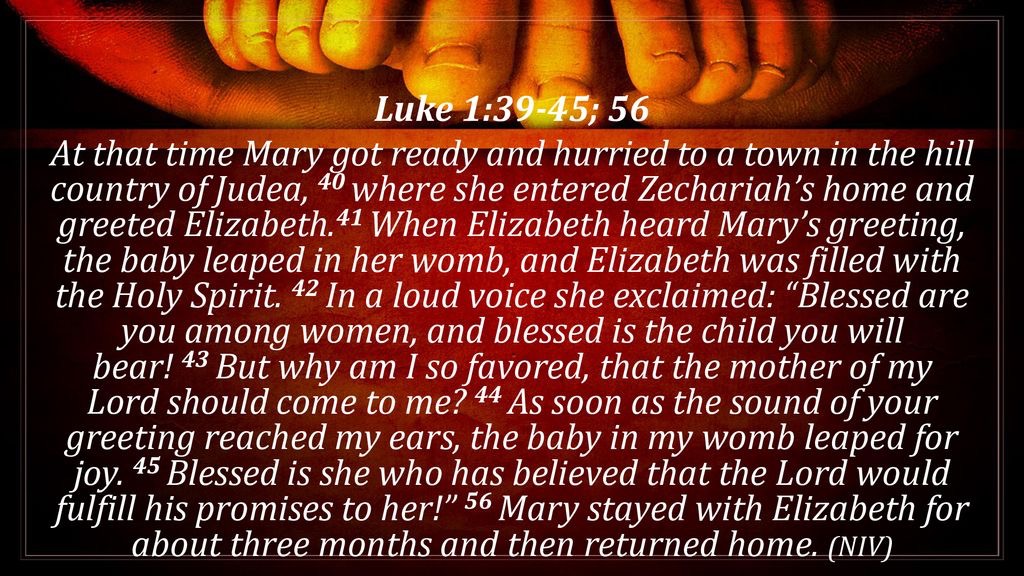

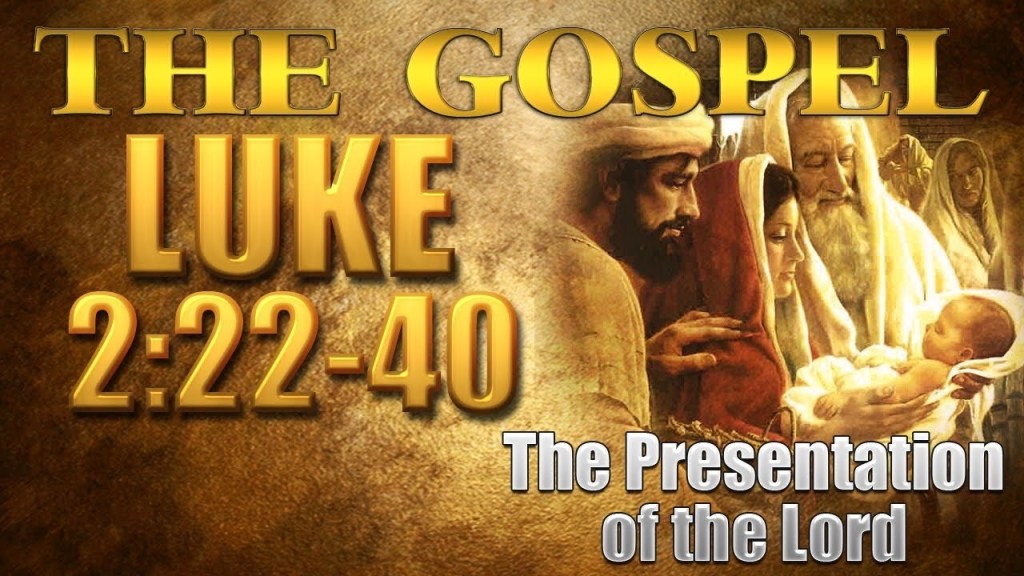
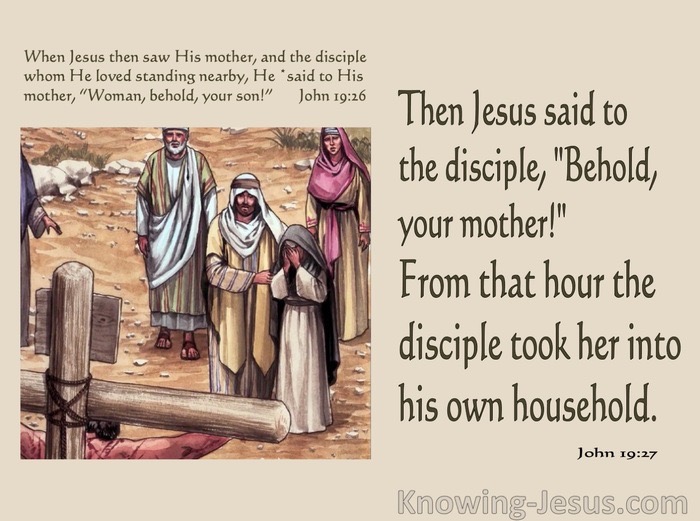
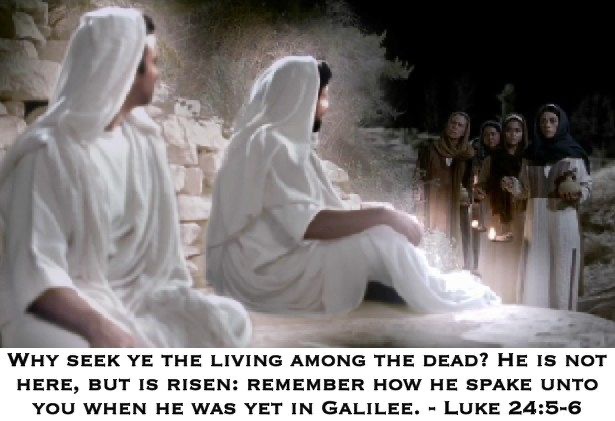
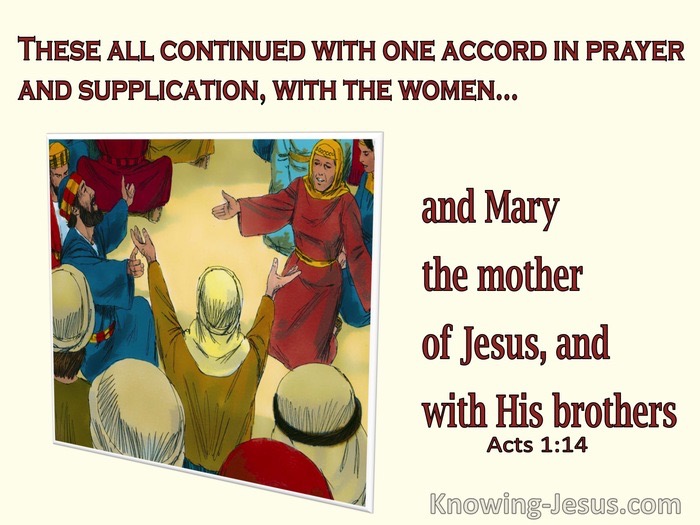
According to Al Overview, the scriptures indicate that Mary, the Mother of Jesus, was Jewish. Scripture portrays her as a devout Jewish woman of the first century, observing Jewish traditions like the Sabbath and making pilgrimages to Jerusalem for festivals.
Here’s why Mary was likely Jewish:
- Jewish Community:
- She was born and lived in Nazareth, a Jewish community in Galilee.
- Observance of Jewish Traditions:
- The scriptures vividly describe Mary’s meticulous observance of Jewish practices like the Sabbath and pilgrimage to Jerusalem for festivals, underscoring her deep faith and devotion. Jewish Law:
- Mary adhered to the Jewish law regarding ritual purification after childbirth and the dedication of Jesus in the temple.
- Jewish Heritage:
- Mary’s family’s lineage, including her descent from King David, points to her Jewish identity.
- Jewish Beliefs:
Mary’s faith in God’s mercy on Israel and her belief in Jesus as the Jewish Messiah, the Son of David, resonate with and align with Jewish beliefs, fostering a sense of unity and shared values.
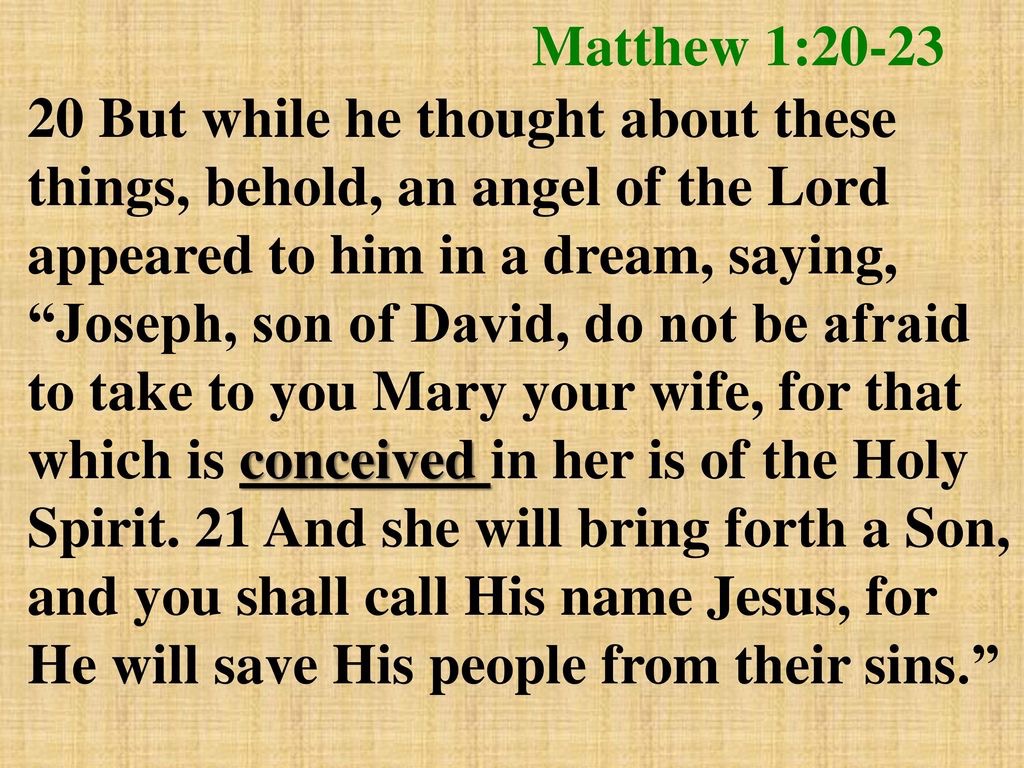
This review will be brief so viewers can view Mother Mary’s life before Jesus’ Birth, which includes her upbringing, her betrothal to Joseph, and the circumstances surrounding Jesus’ Birth.
For more information about the colors Mother Mary & Jesus wore, please refer to the following link: https://www.artsy.net/article/artsy-editorial-jesus-mary-wear-red-blue-art-history

 Reporter Jude